


A Practical 2026 Guide to Evaluating Mobile App Developers, Technology, Pricing, Portfolio, Security 18 Aug 2026
How to Choose the Best Mobile App Development Company in Dubai

Writen by Admin
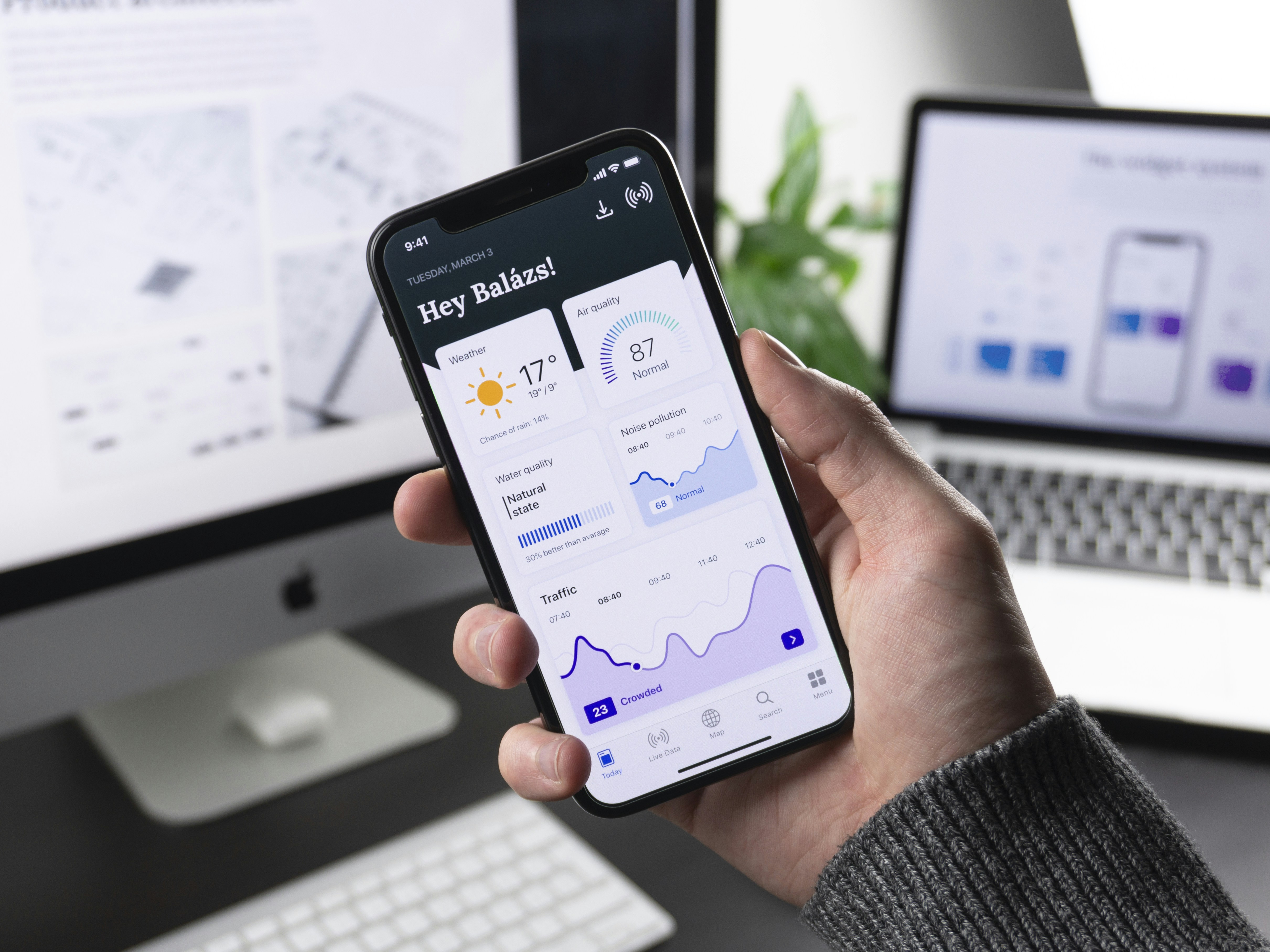
How to Choose the Best Mobile App Development Company in Dubai
Choosing the right mobile app development company in Dubai can determine whether your application becomes a scalable digital product or an expensive project that struggles after launch. Dubai has a highly competitive technology ecosystem, with agencies, software companies, specialist app studios, freelancers and international development teams offering mobile application services. The challenge is not finding a company that can build an app; it is finding a development partner that understands your business, users, technology, integrations, security, UAE market requirements and long-term growth strategy.
In 2026, businesses in Dubai are increasingly evaluating app development partners based on delivery capability, portfolio evidence, technical expertise, post-launch support and total ownership cost rather than simply choosing the lowest quotation. Recent UAE-focused app development guidance also highlights discovery, in-house delivery, bilingual UX, integrations, compliance and post-launch support as important selection criteria. :contentReference[oaicite:0]{index=0}
This guide explains how startups, SMEs and enterprises can evaluate a mobile app development company UAE and make a more informed decision before signing a development contract.
Why Choosing the Right Mobile App Development Company Matters
A mobile application is not simply a collection of screens. A successful app usually requires product strategy, UI/UX design, frontend development, backend architecture, APIs, databases, authentication, security, analytics, testing, deployment and continuous maintenance.
The wrong development partner can create problems such as delayed launches, unstable applications, poor user experience, security weaknesses, unexpected costs and difficult maintenance. A strong development company should instead help transform your business idea into a technically reliable and commercially useful product.
1. Start With Your Business Objectives
Before comparing mobile app development companies, clearly define what the application is expected to achieve. Your objective could be increasing ecommerce sales, improving customer service, automating operations, launching a SaaS product, managing employees, improving bookings or creating a new digital business.
Ask yourself:
- Who will use the application?
- What business problem does it solve?
- What actions should users perform?
- What makes the application different from competitors?
- Does it require iOS, Android or both?
- Will it require a web-based admin panel?
- Does it need ERP, CRM or ecommerce integration?
- Will Arabic and English be required?
- What should the first version accomplish?
A good development company should help refine these requirements instead of immediately giving you a generic development price.
2. Look at Relevant Mobile App Portfolio Experience
One of the strongest ways to evaluate an app development company is to examine applications it has actually delivered. Do not focus only on screenshots. Ask whether the company has built applications with similar complexity, users, workflows and integrations.
For example, if you are building a logistics application, experience with ecommerce websites alone may not be enough. If you are developing a healthcare application, look for experience with sensitive data, appointment workflows and secure user accounts.
Review:
- Live applications on Google Play and Apple App Store
- Case studies
- Similar industry projects
- Application complexity
- Backend functionality
- UI/UX quality
- User reviews where publicly available
- Business outcomes
Industry buyer guides published in 2026 similarly recommend evaluating live applications, code ownership, technical capability, pricing and post-launch support rather than relying solely on sales presentations. :contentReference[oaicite:1]{index=1}
3. Verify the Development Team
The company website may show a large team, but you should understand who will actually work on your application.
Ask whether the project will have dedicated:
- Product manager
- Business analyst
- UI/UX designer
- Mobile developers
- Backend developers
- QA engineers
- DevOps engineers
- Technical lead
Ask to meet the technical lead before signing the project. A reliable agency should be able to explain its development process, architecture decisions, testing approach and deployment strategy.
4. Check Whether the Company Has Strong Discovery and Planning
One of the biggest mistakes businesses make is starting development before properly defining the product. A professional mobile app development company should conduct a discovery phase before the main development work begins.
The discovery process may include:
- Business requirement analysis
- User research
- Competitor analysis
- User journey mapping
- Feature prioritization
- Technical feasibility
- API planning
- Database planning
- Security requirements
- MVP definition
- Development roadmap
A detailed discovery phase helps reduce scope creep because the team can identify technical and business requirements before development begins.
5. Ask About iOS and Android Development
Your choice of mobile technology should depend on your users, product requirements and long-term strategy.
Native App Development
Native iOS and Android development can provide deep platform integration and excellent platform-specific performance. It can be appropriate for applications requiring advanced device capabilities or highly optimized native experiences.
Cross-Platform Development
Frameworks such as Flutter and React Native can allow businesses to build applications for multiple platforms using a shared codebase. This can reduce duplication and accelerate development for many business applications.
The right mobile app development company should recommend a technology based on your application rather than automatically selecting the technology it prefers.
6. Evaluate UI/UX Design Capability
Good app development is not only about programming. User experience strongly influences whether customers continue using the application.
A professional UI/UX process should consider:
- User personas
- User journeys
- Information architecture
- Wireframes
- Interactive prototypes
- Design systems
- Accessibility
- Mobile navigation
- Conversion flows
- Usability testing
Ask to see actual mobile application designs rather than only website portfolios.
7. Check Arabic and English Mobile App Experience
For many businesses targeting the UAE and wider GCC, bilingual application support can be an important requirement. Arabic support involves much more than translating English text.
A professional bilingual application may require:
- Right-to-left layouts
- Arabic typography
- RTL navigation
- Localized forms
- Arabic content management
- Arabic search
- RTL testing
- English and Arabic notification content
Recent Dubai mobile app guidance specifically identifies Arabic-first or bilingual UX and proper RTL implementation as important considerations for UAE applications. :contentReference[oaicite:2]{index=2}
8. Evaluate Backend and API Development Expertise
A mobile application is usually connected to a backend that manages users, data, authentication, transactions and business logic.
Ask whether the development company can build and maintain:
- REST APIs
- GraphQL APIs where appropriate
- Cloud infrastructure
- Databases
- Authentication systems
- Role-based access
- Real-time communication
- File storage
- Push notification services
- Third-party integrations
A visually impressive application with a poorly designed backend can become difficult and expensive to scale.
9. Check ERP, CRM and Business System Integration Experience
For many Dubai businesses, the mobile application is only one part of a larger digital ecosystem. The app may need to connect with ERP, CRM, accounting, inventory, logistics, booking or ecommerce systems.
Ask the development company about previous experience integrating platforms such as:
- ERP systems
- CRM platforms
- Shopify
- WooCommerce
- Payment gateways
- Accounting systems
- Warehouse management systems
- Logistics platforms
- Marketing automation systems
- Custom enterprise APIs
Regional mobile app guidance notes that the mobile application is often only as effective as its connection to the company's back-office systems. :contentReference[oaicite:3]{index=3}
10. Ask About UAE Payment Integration
If your app processes payments, the development company should understand the requirements of your chosen payment providers and transaction model.
Depending on the business, the app may need:
- Credit and debit card payments
- Apple Pay
- Google Pay
- Digital wallets
- Buy Now Pay Later services
- Subscription payments
- Refund processing
- Payment status tracking
Ask which payment gateways the company has integrated previously and whether the implementation includes secure transaction handling and payment-status reconciliation.
11. Evaluate Security Expertise
Security should be considered from the architecture stage, particularly when an application processes customer information, payments, financial data or sensitive business information.
Ask about:
- Secure authentication
- Multi-factor authentication
- Encryption
- API security
- Role-based access control
- Secure storage
- Session management
- Penetration testing
- Security monitoring
- Backup and disaster recovery
Applications in regulated sectors such as finance, healthcare and government services may require additional UAE-specific compliance considerations. A development partner should identify these requirements early rather than treating them as a final-stage task. :contentReference[oaicite:4]{index=4}
12. Ask Where Your Data Will Be Hosted
Data hosting can be an important consideration for UAE businesses. Ask where application data, backups, analytics information and third-party services will be hosted and processed.
Your development partner should explain:
- Cloud provider
- Hosting region
- Database location
- Backup strategy
- Data encryption
- Third-party data processing
- Access permissions
The appropriate architecture depends on the industry, data sensitivity and applicable regulatory requirements.
13. Compare Development Pricing Carefully
Price should be considered, but it should not be the only selection criterion. Two companies can quote very different prices because their scopes, team structures, development processes and post-launch services are different.
Published 2026 Dubai market guides show wide differences between local and offshore development rates and emphasize that app budgets depend heavily on complexity, integrations and delivery model. :contentReference[oaicite:5]{index=5}
Instead of asking only for the cheapest quotation, compare:
- Discovery cost
- UI/UX cost
- Frontend development
- Backend development
- API development
- QA and testing
- DevOps
- App Store submission
- Third-party services
- Maintenance
- Post-launch support
14. Understand Fixed Price vs Time and Materials
Development companies may use fixed-price, time-and-materials or hybrid pricing models.
Fixed Price
Fixed-price projects can work well when requirements are clearly defined. However, changes outside the agreed scope can create additional charges.
Time and Materials
Time-and-materials projects can provide greater flexibility for products where requirements evolve during development. They require strong project management and transparent reporting.
Hybrid Model
A hybrid approach can combine a fixed discovery and MVP phase with flexible development for later features.
15. Check the Company's QA and Testing Process
Testing should not be left until the final week before launch. Ask how the company tests the application throughout development.
A strong QA process can include:
- Functional testing
- Regression testing
- API testing
- Device testing
- Performance testing
- Security testing
- Usability testing
- Payment testing
- Arabic RTL testing
- App Store and Play Store testing
Ask which devices and operating-system versions are included in the testing plan.
16. Ask About App Performance
Mobile users expect applications to respond quickly. Slow loading, crashes and poor navigation can negatively affect retention and customer satisfaction.
Ask the development company how it approaches:
- API response times
- Image optimization
- Application bundle size
- Caching
- Database performance
- Network failure handling
- Offline functionality where required
- Crash monitoring
17. Check Analytics and Business Intelligence
Launching an app without analytics makes it difficult to understand whether users are actually benefiting from it.
Depending on the application, analytics can measure:
- Downloads
- Registrations
- Active users
- Retention
- Conversion rates
- Feature usage
- Purchase behavior
- Abandoned journeys
- Crash rates
- Customer engagement
Your app development company should be able to integrate suitable analytics and explain how business teams will use the resulting data.
18. Ask About AI and Automation Capabilities
AI is increasingly being integrated into business applications for customer service, recommendations, intelligent search, document processing, personalization and workflow automation.
If AI is relevant to your product, ask whether the development company can implement:
- AI chat assistants
- AI agents
- Generative AI
- AI-powered search
- Product recommendations
- Document intelligence
- Predictive analytics
- AI workflow automation
The AI architecture should also address data privacy, model costs, monitoring and human oversight where appropriate.
19. Check Post-Launch Support
App development does not end when the application is published. Operating systems change, devices evolve, APIs are updated and customers discover new requirements.
Ask what happens after launch:
- How long is bug-fix support included?
- What is the maintenance fee?
- How are emergency issues handled?
- Are OS updates included?
- Who manages server monitoring?
- How are security updates handled?
- Can the same team develop future features?
Some 2026 UAE development estimates use annual maintenance budgets of roughly 15–20% of initial build cost as a planning benchmark, although actual support arrangements vary by project and provider. :contentReference[oaicite:6]{index=6}
20. Confirm Code and Account Ownership
This is one of the most important contractual points. Your business should understand who owns the source code, design files, cloud infrastructure, domain, Apple Developer account, Google Play account and third-party service accounts.
Before signing, clarify:
- Source-code ownership
- Git repository access
- Design-file ownership
- Cloud account ownership
- Apple Developer account
- Google Play Console account
- Domain ownership
- Analytics account ownership
- Third-party API accounts
Industry guidance also recommends confirming code ownership and store-account ownership from the beginning of the project. :contentReference[oaicite:7]{index=7}
21. Review the Contract for Scope and Change Requests
A professional contract should clearly define what is included. Vague project descriptions can create disputes later.
Look for clear definitions of:
- Features
- Number of screens
- Platforms
- Integrations
- Design revisions
- Testing
- Deployment
- Maintenance
- Payment milestones
- Change-request process
22. Look for Transparent Communication
Communication becomes particularly important for projects lasting several months. Ask how frequently you will receive progress updates and how decisions will be documented.
A professional development process may include:
- Weekly project meetings
- Sprint demonstrations
- Task management
- Project documentation
- Design approvals
- Development builds
- QA reports
- Release notes
23. Check Reviews and Independent Reputation
Company testimonials published on its own website are useful, but independent reviews can provide additional insight.
Consider checking:
- Google reviews
- Clutch
- GoodFirms
- DesignRush
- App Store applications
- Google Play applications
- LinkedIn presence
Look for consistent comments about communication, technical quality, reliability and post-launch support rather than focusing only on the overall rating.
24. Local Dubai Company vs Offshore Development Team
There is no universal answer to whether a Dubai-based agency or offshore development team is better. The correct choice depends on the project's complexity and your preferred operating model.
| Factor | Dubai-Based Company | Offshore Team |
|---|---|---|
| Local market knowledge | Usually stronger | Varies |
| Face-to-face meetings | Easier | Limited |
| Cost | Usually higher | Often lower |
| UAE integrations | Potential advantage | Depends on experience |
| Time-zone alignment | Strong for UAE businesses | Varies |
| Compliance familiarity | Potential advantage | Must be verified |
The best option is the company that can demonstrate the required technical and business expertise, regardless of where every team member is physically located.
25. Calculate the Total Cost of Ownership
Do not compare development companies using the initial quotation alone. Calculate the estimated total cost over three to five years.
Consider:
- Initial development
- Cloud hosting
- Third-party APIs
- AI usage
- Maintenance
- Security updates
- Feature development
- App Store fees
- Analytics tools
- Technical support
A slightly more expensive development partner can become more economical if the application is better engineered and requires less rework and emergency maintenance.
Mobile App Development Cost in Dubai
Mobile app development costs vary significantly depending on complexity. Current 2026 UAE market guides publish ranges from tens of thousands of dirhams for focused MVPs to several hundred thousand dirhams for standard business applications and considerably more for multi-role enterprise platforms. :contentReference[oaicite:8]{index=8}
As an indicative planning framework:
- Basic MVP: AED 30,000–80,000+
- Business application: AED 80,000–200,000+
- Advanced application: AED 150,000–350,000+
- Enterprise platform: AED 300,000+
These figures are not fixed Dubai market prices. A precise quotation requires a documented feature list, platform strategy, design requirements, integrations and technical architecture.
Best Questions to Ask a Mobile App Development Company in Dubai
- Have you built an application similar to ours?
- Can we see the live application?
- Who will be assigned to our project?
- Is the development team in-house or outsourced?
- What technology do you recommend and why?
- How will the backend and APIs be designed?
- How will Arabic and English be implemented?
- Which payment gateways have you integrated?
- How will our ERP or CRM be connected?
- Where will our data be hosted?
- What security testing is included?
- What analytics will be implemented?
- What is included in the quoted price?
- How are change requests priced?
- Who owns the source code?
- Who owns the app-store accounts?
- What support is included after launch?
- What is the estimated three-year total cost?
Red Flags When Choosing a Mobile App Development Company
- Unrealistically low pricing: A very low quote may exclude important development or testing work.
- No technical discovery: If a company gives a final price without understanding the project, the estimate may not be reliable.
- Only screenshots in the portfolio: Ask for live applications and real case studies.
- Unclear team structure: You should know who is responsible for delivery.
- No QA process: Professional apps require structured testing.
- No post-launch plan: Mobile applications require ongoing maintenance.
- Unclear ownership: Confirm source-code and account ownership before signing.
- Arabic treated as simple translation: Proper RTL design requires dedicated implementation and testing.
Why Choose nDigital.me for Mobile App Development in Dubai?
nDigital.me is a UAE-focused digital transformation and software development company offering mobile app development, web applications, AI development, SaaS platforms, ecommerce solutions, ERP and CRM development and business automation.
Our mobile application development approach can cover product discovery, UI/UX design, cross-platform or native development, backend APIs, database architecture, third-party integrations, AI functionality, testing, deployment and ongoing support.
For businesses in Dubai and across the UAE, we focus on building applications around measurable business objectives rather than simply delivering screens and features. Whether you are a startup developing an MVP, an SME digitizing operations or an enterprise building a customer-facing platform, the technology and architecture can be selected according to your requirements and growth plans.
Mobile App Development Process at nDigital.me
Step 1: Discovery
We understand the business model, target users, workflows, competitors and product objectives.
Step 2: Product Strategy
Features are prioritized into launch-critical functionality and future development phases.
Step 3: UI/UX Design
User journeys, wireframes, prototypes and visual design are created before development.
Step 4: Technical Architecture
Frontend, backend, APIs, database, cloud infrastructure, security and integrations are planned.
Step 5: Development
The application is developed through structured development cycles with regular reviews.
Step 6: Testing
Functional, performance, security, device and usability testing are performed before launch.
Step 7: Deployment
The application is prepared for Apple App Store and Google Play submission and production deployment.
Step 8: Maintenance and Growth
Post-launch analytics, monitoring, maintenance and new features support continuous product improvement.
Frequently Asked Questions
How do I choose the best mobile app development company in Dubai?
Compare companies based on relevant portfolio experience, technical expertise, discovery process, team structure, security, integrations, pricing transparency, code ownership and post-launch support rather than choosing only by price.
How much does it cost to build a mobile app in Dubai?
Costs vary according to complexity. A focused MVP may cost tens of thousands of dirhams, while business applications and enterprise platforms can cost hundreds of thousands. A detailed scope is required for an accurate quotation.
Should I choose Flutter, React Native or native development?
There is no universally best technology. Flutter or React Native can be suitable for many cross-platform business applications, while native development may be preferred when deep platform-specific capabilities or highly optimized native experiences are required.
Should my Dubai app support Arabic?
If your target audience includes Arabic-speaking customers, Arabic support should be considered during product and UX planning. Proper Arabic implementation requires RTL-aware design and testing rather than simple text translation.
What should be included in a mobile app development quotation?
A professional quotation should clearly define design, development, backend, APIs, integrations, testing, deployment, third-party services, maintenance and change-request terms.
How important is post-launch support?
Post-launch support is essential because mobile operating systems, devices, APIs and customer requirements change continuously. A maintenance and optimization plan should be agreed before development starts.
Should a startup hire a Dubai agency or offshore team?
Either can work. A startup should evaluate technical expertise, communication, portfolio, pricing, timezone, ownership and long-term support instead of selecting a provider solely based on geography.
Final Checklist for Choosing a Mobile App Development Company in Dubai
- ✓ Clear business requirements
- ✓ Relevant portfolio
- ✓ Live app examples
- ✓ Experienced technical team
- ✓ Strong UI/UX capability
- ✓ iOS and Android expertise
- ✓ Backend and API development
- ✓ UAE payment integration experience
- ✓ Arabic and RTL capability
- ✓ Security and compliance awareness
- ✓ ERP and CRM integration experience
- ✓ Structured QA process
- ✓ Transparent pricing
- ✓ Clear contract and scope
- ✓ Source-code ownership
- ✓ App-store account ownership
- ✓ Post-launch support
- ✓ Scalable architecture
Final Thoughts
Choosing the best mobile app development company in Dubai should be treated as a technology and business decision, not simply a vendor-selection exercise. The right partner should understand your customers, business model, technology requirements and long-term goals.
Look beyond attractive portfolios and low quotations. Evaluate discovery, technical depth, UX, security, integrations, Arabic support, QA, ownership, communication and post-launch support. A development company that can demonstrate these capabilities is more likely to deliver an application that remains useful and scalable after launch.
Dubai businesses can benefit from mobile applications across ecommerce, real estate, logistics, healthcare, finance, education, hospitality, sports, professional services and enterprise operations. With the right strategy and development partner, a mobile app can become an important part of a company's digital transformation roadmap.
Looking for a mobile app development company in Dubai? nDigital.me can help you plan, design, develop, integrate, launch and scale mobile applications for UAE businesses, from MVPs and customer apps to AI-powered enterprise platforms.